Skip to content
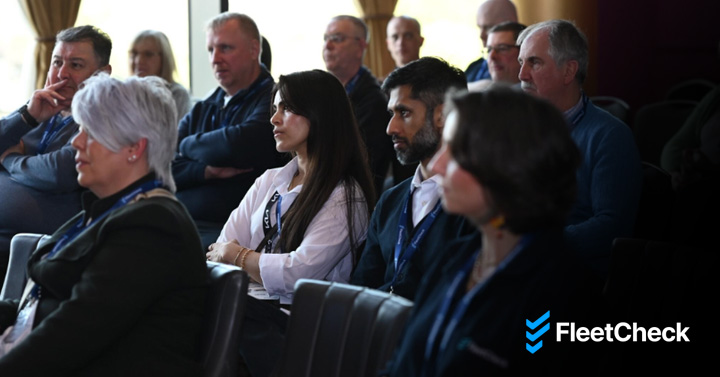
Fleet management professionals attending the FleetCheck Customer Conference 2026

Insights from FleetCheck’s first Customer Conference

  • test
  • 11 min read

We recently held our first Customer Conference, and it turned out to be one of the most useful days we've had with customers. Not because of what we told them, but because of what they told each other.

The day covered a lot of ground. Customers shared how they’re using parts of the system that often go overlooked, COO Callum Haymon-Collins ran a practical masterclass on getting more out of your data with AI, and Head of Development Liz Williams gave a candid look at where the product is heading. Getting operators away from their desk and into the same room had a real effect, with plenty of penny-drop moments.

The highlight of the day was hearing how other organisations use FleetCheck –  I really liked this aspect of sharing ideas, which will only help us improve how we use the system for our own business.

Rushana Ali | Tower Hamlets

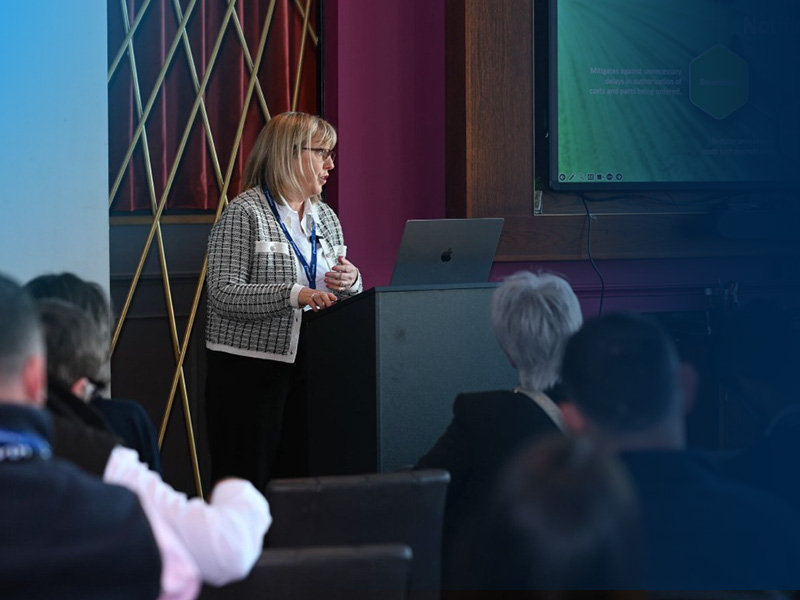
Cannon from SMS Energy presenting at the FleetCheck Customer Conference 2026

Industry-leading incident reporting

Yvonne Cannon from SMS Energy walked us through how they use FleetCheck for incident reporting – and the impact it’s had on their motor vehicle insurance (MVI) process and overall risk profile.

Inconsistent reporting is a common problem for many operators. Accidents get logged with missing details, escalation stalls, and the whole process slows down. By using FleetCheck’s accident reporting function, SMS Energy consolidated that process, resulting in consistent reporting, faster escalation, and quicker resolution of damage repairs. Drivers use the FleetCheck Driver App to report collisions immediately, with accident partner details stored in the app so they can make contact right away, with everything sent straight to their insurers and fleet team.

The results spoke for themselves. By reporting accidents same day within the hour using the FleetCheck Driver App, they saved £7,000 in hire costs on just three claims last quarter. Their first notification of loss (FNOL) rate sits at 75% same day, well above industry average, and last year they received a rebate of over £50,000 from their insurers as a direct result. Yvonne also pointed out the advantage of being able to pull up ten years of accident history from FleetCheck at any time – claims details, uninsured losses, trends, repeat offenders. That kind of data builds a very strong position when it comes to renewals and negotiations.

Yvonne’s key enablers for success:

  • The FleetCheck Driver App – collision reporting via the app captures all essential information as a digital record, automatically uploaded to the FleetCheck portal straight away
  • Operational training – provide training on using the FleetCheck Driver App to report a collision
  • Communications – regular communications reinforcing early reporting expectations and the value of the Golden Hour
  • Organisational support – getting support from senior leaders is paramount
  • Weekly reviews – structured weekly reviews to monitor performance and drive continuous improvement
  • Quarterly reviews – structured quarterly reviews with motor insurers and brokers to evaluate claims performance and identify trends
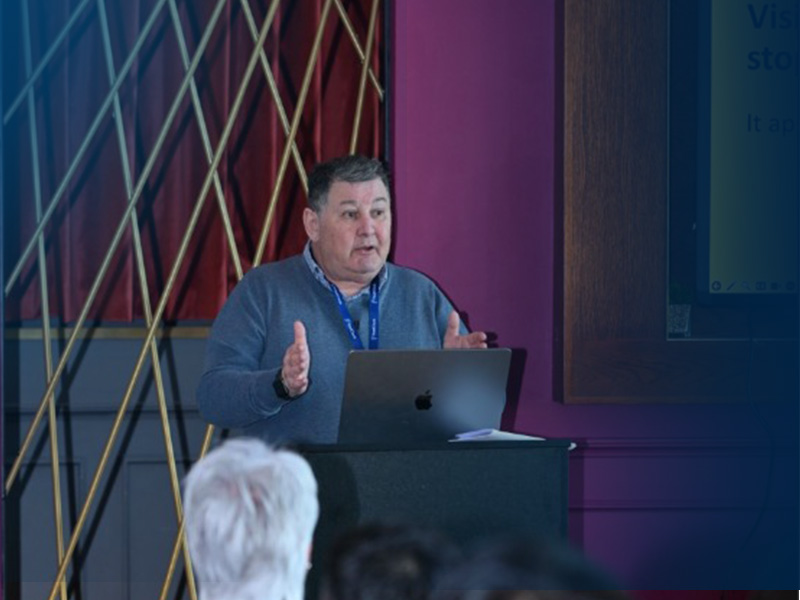
Wyatt Tait from Adrian White Building Supplies presenting at the FleetCheck Customer Conference 2026

Smarter fleet procurement

Wyatt Tait from Adrian White Building Supplies shared how FleetCheck’s budgeting tool helped him move beyond surface level fleet costs and build a true total cost of ownership (TCO) for each of his vehicles – and why that discipline makes compliance far less complex.

Many companies treat transport costs as a lump sum to be minimised. The problem with that approach is that when you can’t see the detail, you can’t explain it, you can’t defend it, and you can’t use it to make smarter decisions. Wyatt challenged this mindset and started using the budgeting area in FleetCheck to record everything: fuel, tyres, repairs, insurance, damage, right down to sundries like washer fluid and sponges. Having everything tracked in one place has made it far easier to spot patterns, which has paid dividends in their procurement decisions.

Previously, they’d wait ten years before moving a vehicle on, based largely on habit. But when they started running the numbers in FleetCheck, they discovered that one of their ten-year-old lorries had lower running costs than a newer vehicle they’d been planning to keep. These are the kind of insights you can’t get from gut feeling.

Wyatt’s advice:

  • Start with the budgeting tool – get it right from the start: by vehicle, depot, category
  • Track everything – patterns only emerge when it’s all in one place, so track it all (even the small stuff)
  • Compliance follows the habits – by tracking everything properly, it can help you to meet accreditations such as the DVSA Earned Recognition KPIs
  • Integrate as much as possible – Wyatt recently added VDO for tacho data, resulting in cost savings, one login, and one less billing area to manage
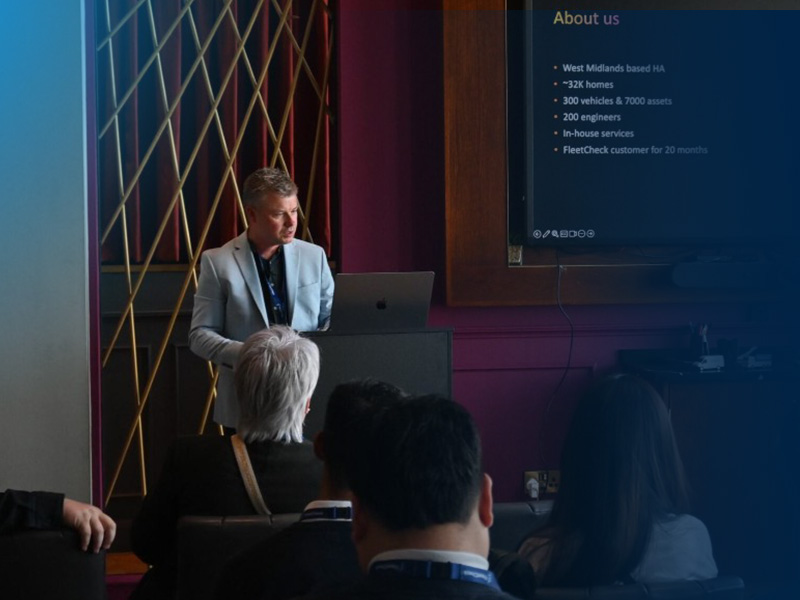
Scott Fincham from Citizen Housing presenting at the FleetCheck Customer Conference 2026

A better way to manage assets

Scott Fincham from Citizen Housing shared how they have extended FleetCheck beyond the obvious to manage nearly 10,000 assets in FleetCheck – from working-at-height equipment and battery-powered tools to PAT-tested items. Not all traditional fleet-related items, but fully at home in FleetCheck.

Non-vehicle assets can be a blind spot. But by centralising everything in one place with key inspection dates and automated alerts, they've given supervisors and managers in the field a reliable reference point – making audits more straightforward, offboarding cleaner, and renewals easier to stay on top of.

But Scott's team didn't stop there. They had a persistent problem with grounds maintenance – poor storage, tools going missing, no clear sense of what was where. Their solution was FleetCheck's QR code tracking. By printing and sticking the codes themselves, they can scan them using the FleetCheck Driver App to instantly identify the asset and confirm where it should be stored. They now have 450 items tracked this way.

It was one of the biggest surprises in the room, as most attendees had no idea this feature existed. If it sounds useful, it's worth a conversation with your account manager.

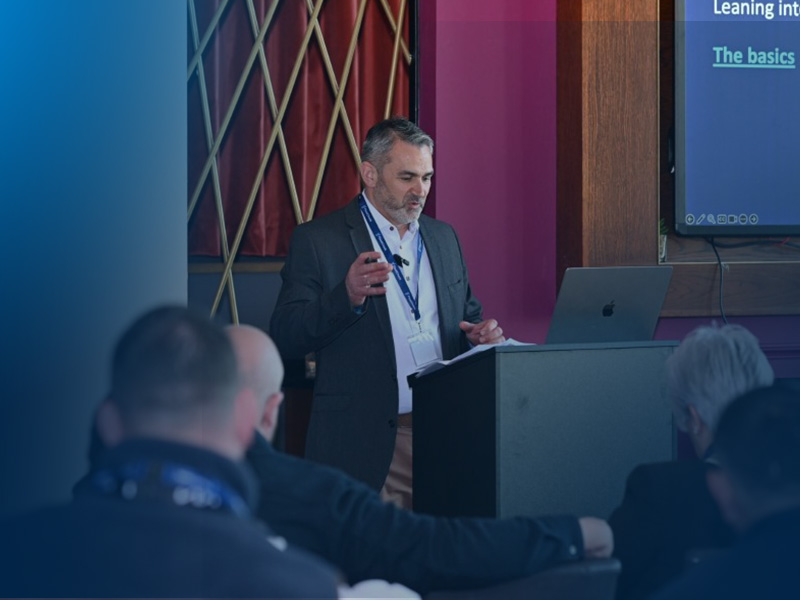
Simon Cook from PSV Glass & Glazing presenting at the FleetCheck Customer Conference 2026

From a database to a decision engine

Simon Cook from PSV Glass & Glazing offered a timely reminder that the value you get out of FleetCheck is directly tied to the quality of data you put in.

When Simon joined PSV, FleetCheck was already in place, but it wasn’t being used properly. The data was there, but it was fragmented across spreadsheets, email inboxes, supplier platforms, and service providers. Simon’s mission was to consolidate everything and turn FleetCheck into a single source of truth that holds all their essential fleet data in one place, linked up and ready to use. That foundation, he argued, is what allows you to make confident decisions today, and positions you well for the AI-led fleet intelligence that’s coming.

His advice? Lean into automation. If a system already holds the data, you shouldn’t be typing it in or copying it across manually. PSV have used APIs, email imports, and supplier integrations to reduce admin, improve accuracy, and get faster visibility across their fleet. The technology is already there; it’s just a case of making use of it.

Where to start:

  • Make FleetCheck the single source of truth – if it’s not in the system, then it doesn’t exist!
  • Maximise automation already available – stop re-entering data that systems already know; make the most of APIs, email imports, and integrations
  • Turn data into priorities – good data tells you what needs attention, so you can act quickly and with confidence
  • Build the foundation now – when the data is clean and structured, the intelligence follows; AI won’t fix poor data, but strong data will unlock everything that comes next
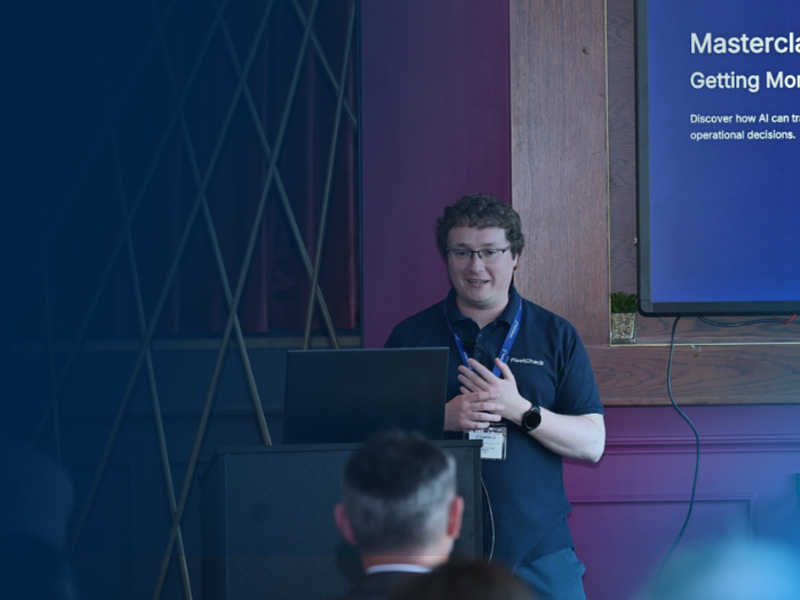
Callum Haymon-Collins, COO at FleetCheck, gives a practical masterclass on getting more from your data with AI agents at the FleetCheck Customer Conference 2026

Getting more from your data with AI agents

Alongside the customer sessions, the day also featured two sessions from the FleetCheck team. Callum Haymon-Collins, COO at FleetCheck, dove into how AI-powered agents can start to transform your raw fleet data into actionable intelligence.

His first point echoed Simon’s: before any AI agent can surface meaningful insights, the data foundation must be solid. One of the strengths of the FleetCheck system is the flexibility it offers when bringing data in – the process starts with importing the right datasets, then validating their integrity, and customising them where necessary. Get that right, and then AI can become a genuinely powerful tool.

Callum walked through a practical demonstration using Claude as an example. He set up a project, gave it a set of instructions, and pointed it at an example FleetCheck report. The agent does the heavy lifting and surfaces the insights you might otherwise miss. He showed examples across VOR, fuel analysis, and vehicle PPM and replacement. If you’d like to see the prompts and instructions used, get in touch with your account manager.

Of course, AI isn't infallible, and it's important to be mindful of data accuracy, integrity, and your company's security policies before diving in. But used sensibly, AI agents can act as a capable co-pilot.

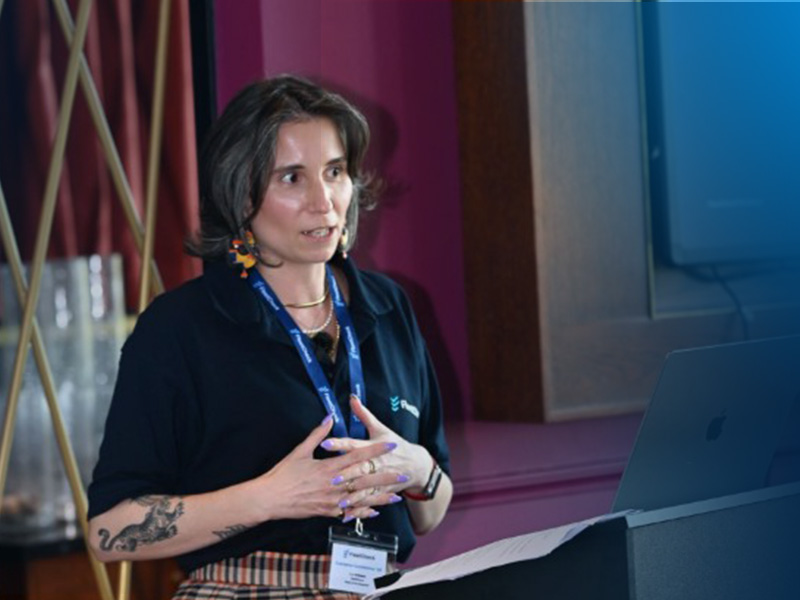
Liz Williams, Head of Development at FleetCheck, gives customers a look at where the FleetCheck product is heading at the FleetCheck Customer Conference 2026

Future roadmap

Finally, Liz Williams, Head of Development at FleetCheck, gave customers a look at where the FleetCheck product is heading. Her central message was straightforward: the goal is to build a fleet management system that fits the way you work, adapts to your needs, and gives you data you can rely on to make decisions with confidence. That means involving real users in development, responding to changing conditions, and rolling out small, frequent updates so improvements reach you with minimal disruption.

This year’s strategy is focused on three areas: insights, customisation, and inputs In this way, a few of the projects currently in progress are:

  • VDO integration – view driver infringements directly in FleetCheck, add comments, pass them to drivers to acknowledge, and have responses feed back automatically into both FleetCheck and VDO
  • Customisable tables – the ability to show and hide columns, rearrange lists, and export data without needing to run a full report
  • AI chatbot – heading into beta soon, with the ability to answer questions (initially about defects, VORs, and inspections)

And this is not an exhaustive list! Also in the pipeline: improved defect capture in the FleetCheck Driver App, the next evolution of the Technician App, better integrations for automating fuel purchase inputs, OCR enhancements for PMIs and PCNs, and much, much more.

The highlight of the day was finding out functions of FleetCheck that we don't currently use that can help improve our fleet management.

Graham Hine | Warwick University

Customer Council

Liz also announced the launch of the FleetCheck Customer Council – a group of operators who'll have a direct hand in shaping what gets built next. Members will be invited to help prioritise and scope features before development begins, take part in short surveys on the functionality that matters to them, and beta test new products before they officially launch. It's not a big-time commitment, but it is a genuine opportunity to influence the product, and to make sure FleetCheck stays built for real-world operators, not just on paper.

If you're interested in getting involved with the Customer Council, speak to your account manager or get in touch with the team directly.

It was great to be part of it and I'm looking forward to being a wider part of the FleetCheck community as the Customer Council develops.

Simon Cook | PSV Glass & Glazing

Final thoughts

What came through most clearly on the day wasn't any single feature or piece of data – it was what happens when you put a room full of fleet professionals together and let them talk.

It’s something that an email, a webinar, or a Teams call simply can't replicate. As we saw more than once during the day, in person, people can hear each other's challenges, share solutions, and exchange phone numbers. They recognise themselves in each other's problems. And they leave not just as FleetCheck users, but as part of a wider community of operators all trying to do the same job well. Watching customers deep in conversation - engrossed, comparing notes, and swapping approaches, was a highlight of the day for the FleetCheck team.

FleetCheck is an extensive system, and it's unlikely you're using all of it. We hope you've taken away a feature or insight worth exploring with your team or account manager. A huge thank you to everyone who attended, and particularly to our customer speakers, who made the day what it was.

To those who couldn't make it this time: watch this space. More events to come.

It's always worth taking the time to step away from the desk to learn and build new connections. I'm excited to follow up with the contacts we made and see how we can improve our fleet operations moving forward.

Matt Derham |  HILS

Author

  • Barrie has vast experience gained from working as a Transport & Compliance Manager for a large national haulage company and is our resident HGV specialist.
    VIEW PROFILE

Call