





Fleets are seeking more flexible reporting from their management software in a new trend that has been emerging over the last year, FleetCheck is reporting.
Callum Haymon-Collins, chief operating officer at the fleet software specialist, said the driving forces behind this development were a desire to improve efficiency and reduce costs alongside increasing awareness of the potential of using data effectively.
“Historically, almost all fleets have been satisfied with the standard reporting suite included in our software but there has been a very clear development over the last year where some are looking for extra flexibility to maximise the potential of their data.
“There are number of factors behind this that we believe result from wider developments in the fleet sector. The biggest is simply that there is a very strong desire to minimise costs and boost fleet effectiveness at this point in time. While it would be true to say that this is always a priority for vehicle operators, it is especially strong at this moment.
“Also, it’s apparent the fleet managers that make up our client base are getting ever better at recognising the potential of using their data effectively. Increasingly, they are looking for ways the information they hold can be used to provide insight into their specific and developing priorities, and are challenging us to help them achieve that goal.
“The conversations we are having about data are more sophisticated and more focussed than ever before, and the result is that our users are demanding more from our reporting.”
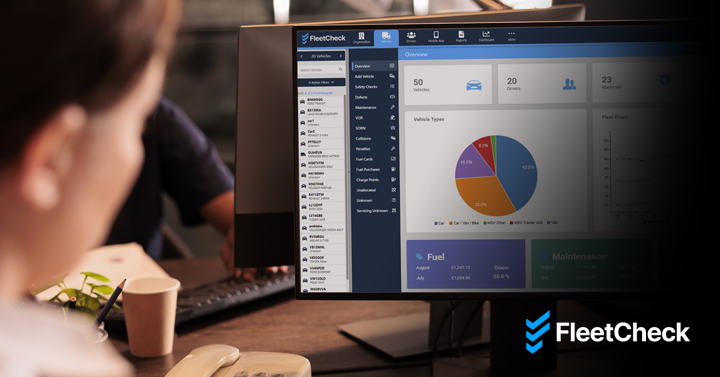
Callum said FleetCheck had responded to this development by making the reporting capabilities of its software more adaptable to the requirements of individual customers.
“In the past, fleets have tended to fall into two camps – the majority whose needs were satisfied by standard reporting and a few who wanted a high degree of customisation. What we are seeing now is a more general demand for what you might call standard reporting-plus.
“To answer this need, we’re both by extending the out-of-the-box capabilities of our mainstream products and also creating adaptations for individual users. It’s very much about future proofing our products in terms of client needs.”