







Constantly rising fuel prices and high price volatility mean operators with medium to large fleets face mounting pressure to control costs without compromising operational performance. Whether your fleet consists primarily of vans, or you also have a mix of trucks, company cars, and grey fleet vehicles, the challenge is not simply about spending less on fuel. It’s about building a resilient, data-driven strategy that aligns fuel efficiency with broader business goals: sustainability, safety, profitability, and compliance.
In this FleetInsight, we’re going to explore advanced approaches to fuel-efficient driving, fuel card optimisation, route planning, and spend tracking – offering practical insights for experienced fleet managers seeking to arrest poor trends and unlock continuous improvement.
Why fuel efficiency matters more than ever
Fuel is typically the second-largest operating cost after depreciation. But beyond cost, fuel consumption is a proxy for operational discipline. Whether diesel, petrol, or electric, inefficient fuel use often signals deeper issues: poor driver behaviour, suboptimal routing, underutilised assets, or gaps in policy enforcement.
For fleets operating in sectors like logistics, utilities, construction, or field services, fuel efficiency is also increasingly tied to ESG reporting and reputational value. Stakeholders, from clients to regulators, expect transparency and progress on emissions reduction. Fuel management, therefore, is no longer a siloed operational concern; it’s a strategic lever.
Embedding behavioural change
Driver behaviour can influence fuel consumption by up to 30%. While most fleet managers are familiar with the basics – smooth driving style, reduced idling, etc, – the challenge lies in embedding these behaviours consistently across a dispersed workforce.
Good practice often includes:
- Driver scorecards: Use telematics to generate individual fuel efficiency and driving performance scores. Benchmark drivers against peers and reward top performers.
- Targeted coaching: Focus training on high-consumption drivers. Use real-world data to personalise feedback.
- Gamification: Introduce league tables or team-based challenges to encourage friendly competition.
- Policy integration: Make fuel-efficient driving a formal part of driver handbooks and performance reviews.
Advanced tip:
Integrate fuel efficiency metrics with safety data. Drivers who accelerate harshly or brake aggressively tend to be both less fuel-efficient and higher risk. A combined view helps prioritise interventions.
Fuel cards are more than just convenience
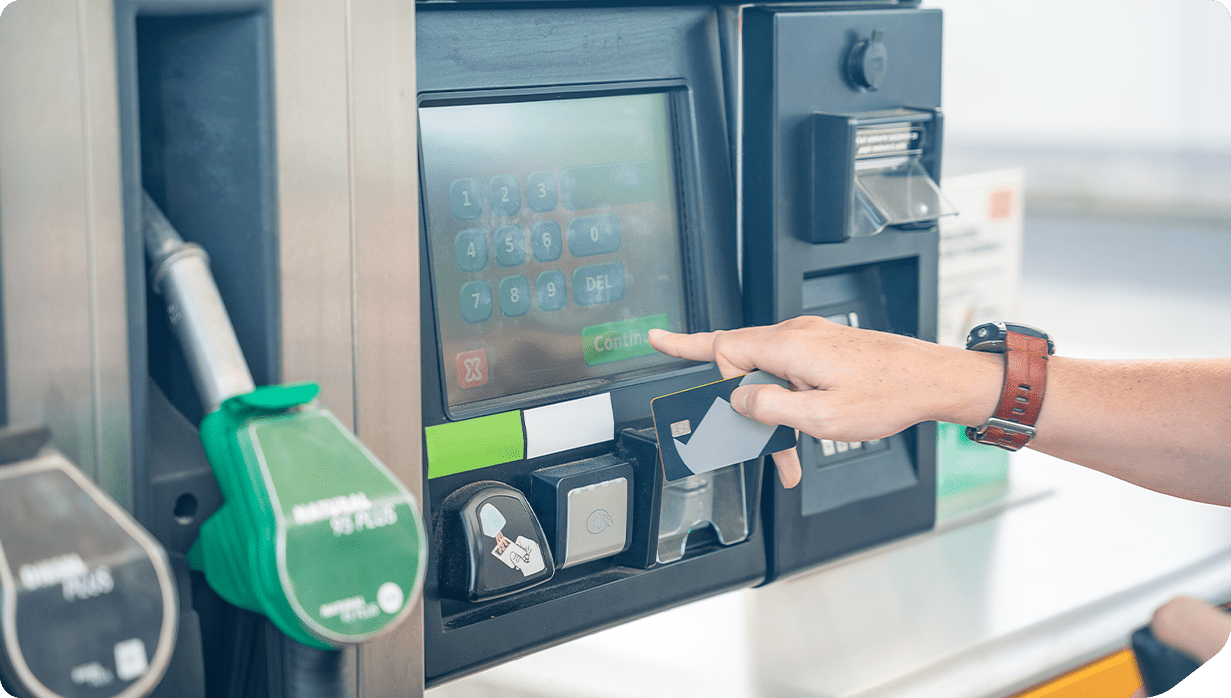
Fuel cards are a powerful tool – but only if used strategically. They offer granular visibility into spend, make VAT recovery easier, and reduce fraud risk. However, misuse or lack of oversight can erode their value.
Optimisation strategies you could look at include:
- Tiered card allocation: Match card types to vehicle roles. For example, restrict van drivers to local petrol stations, or limit truck cards to motorway service stations.
- Spend controls: Set daily or weekly limits, restrict purchases to fuel only, and block high-cost locations.
- Data integration: Ensure fuel card data feeds directly into your fleet management system for real-time analysis.
- Exception reporting: Flag anomalies like multiple fills in one day, fuel purchases outside working hours, or inconsistent MPG.
Monitoring tip:
Track litres purchased per vehicle against telematics mileage to calculate real-world fuel use in miles per gallon. This helps identify vehicles or drivers with declining efficiency.
Efficient route optimisation
Route planning is no longer just about avoiding traffic – it’s about aligning operational efficiency with fuel economy. For fleets with complex delivery or service schedules, even small routing improvements can yield significant savings.
Strategic approaches you could investigate include:
- Dynamic routing: Use real-time traffic and weather data to adjust routes on the go.
- Clustered scheduling: Group jobs geographically to reduce dead mileage.
- Depot rationalisation: Analyse fuel spend by location to identify whether depot placement is contributing to inefficiency.
- Vehicle matching: Assign the most fuel-efficient, correctly sized vehicle type to each route. For example, avoid sending a 3.5-tonne van on a job that could be handled by a car-derived van.
Technology tip:
Integrate route optimisation software with job scheduling and telematics platforms. This enables closed-loop analysis: planned vs. actual route, fuel used, and time taken.
Tracking and monitoring: from data to decisions
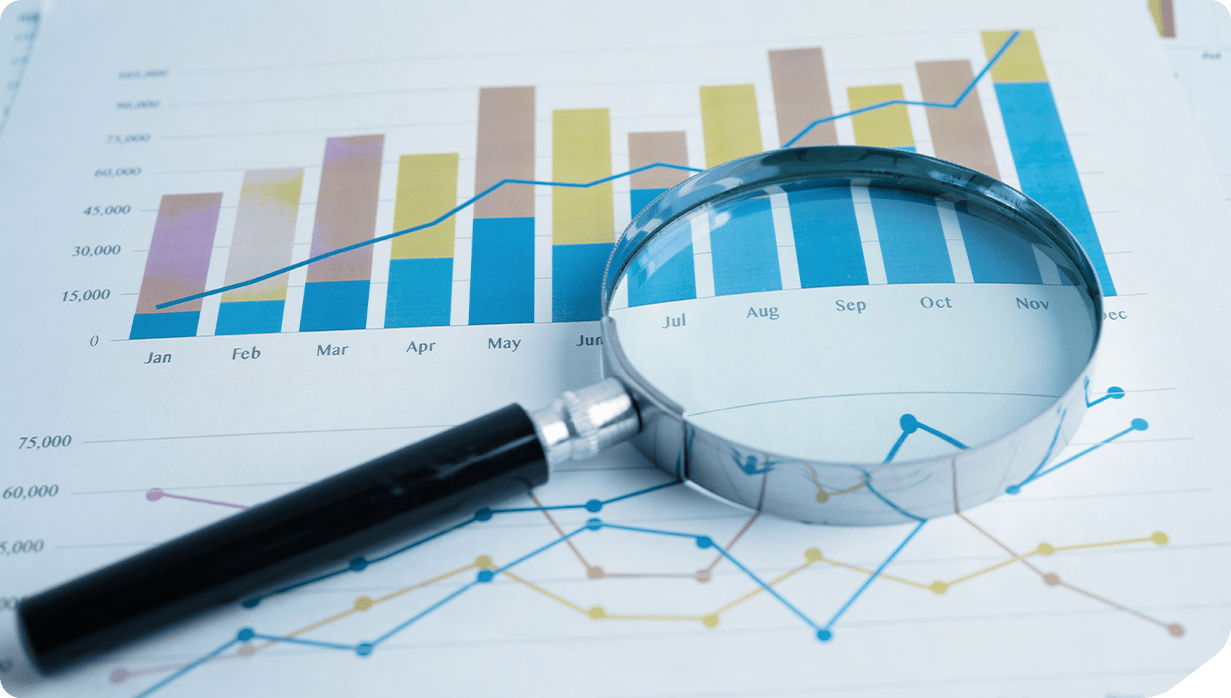
Visibility is the foundation of control. Yet many fleets still rely on fragmented data sources – fuel cards, telematics, maintenance logs – that don’t talk to each other. The goal is not just to collect data, but to turn it into actionable insights.
Key metrics to track include:
| Metric | Why it matters |
|---|---|
| MPG per vehicle | Identifies declining performance or misuse |
| Fuel spend per job | Links cost to operational output |
| Idling time | Highlights waste and poor driving habits |
| Fill frequency | Flags potential fraud or inefficiency |
| Fuel type usage | Supports transition planning (e.g., diesel to electric) |
Tools and techniques you could use include:
- Dashboards: Use fleet management software to create custom views for fuel performance.
- Trend analysis: Compare month-on-month or year-on-year data to spot emerging issues.
- Alerts: Set thresholds for key metrics and receive automatic notifications when breached.
- Cross-referencing: Overlay fuel data with maintenance costs and driver behaviour to identify root causes.
Identifying opportunities to improve cost control
Once data is flowing, the next step is diagnosis. Where are the leaks? What’s driving inefficiency?
Common red flags include:
- Vehicles with declining MPG: May indicate mechanical issues or poor driving.
- Drivers with high fuel spend but low mileage: Could suggest misuse or inefficient routing.
- Grey fleet anomalies: Could indicate mileage claims for personal use, poor vehicle condition, or lack of oversight.
- Fuel card misuse: Non-fuel purchases, multiple fills, or location mismatches.
Improvement levers include:
- Vehicle replacement: Prioritise replacement of low-efficiency vehicles with newer, cleaner models.
- Driver retraining: Focus on high-impact behaviours like idling, harsh acceleration, and route adherence.
- Policy enforcement: Tighten controls on fuel card use, grey fleet mileage claims, and vehicle allocation.
- Technology investment: Consider AI-powered route planning, predictive maintenance, or hybrid/electric transition.
Arresting poor trends
Spotting a problem is only half the battle. Arresting poor trends requires decisive action, clear communication, and ongoing monitoring.
Your intervention framework should look like this:
- Diagnose: Use data to identify the source to see whether the additional costs are linked to drivers, vehicles, routes, or policies.
- Engage: Communicate findings with relevant stakeholders. Use evidence to drive improvement rather than resorting to blame.
- Act: Implement corrective measures such as driver training, vehicle maintenance, and policy changes.
- Monitor: Track post-intervention performance to ensure improvement.
- Review: Feed any lessons back into your strategy to prevent recurrence.
Cultural tip:
Frame interventions as part of a continuous improvement culture, not punitive action. This helps to build buy-in and long-term behavioural change.
Fuel efficiency in the age of transition
As fleets transition to low and zero-emission vehicles, fuel efficiency strategies must evolve. While EVs eliminate traditional fuel spend, they introduce new variables: charging costs, range planning, and energy tariffs.
Future-proofing tactics to look at include:
- Total cost of ownership (TCO): Compare fuel use and spend with charging and maintenance costs.
- Charging strategy: Optimise depot and home charging to avoid peak tariffs.
- Mixed fleet management: Track fuel and energy use across ICE and EV vehicles in a unified dashboard.
- Policy evolution: Update driver handbooks and fuel card policies to reflect new technologies.
Conclusion
Managing fuel costs is no longer a reactive exercise – it’s a strategic discipline that touches every aspect of fleet operations. For fleet managers overseeing mid- to large-sized fleets, the opportunity lies in integrating fuel efficiency into the DNA of fleet strategy: from driver behaviour and technology investment to policy design and stakeholder engagement.
By treating fuel not just as a commodity but as a performance indicator, fleet leaders can drive down costs, reduce emissions, and build more agile, future-ready operations.
We hope this has been a valuable guide to identifying ways in which you might be able to better manage your fuel costs.
If you’d like to discuss effective fuel management with one of our friendly team call 01666 575900.