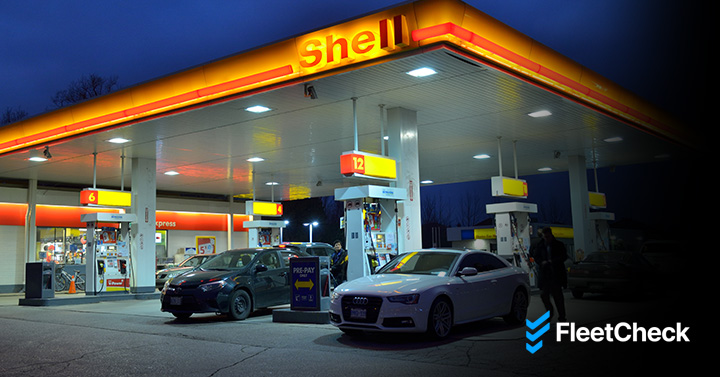








Rising petrol and diesel prices caused by the conflict in Iran could change the inflection point where electrification becomes attractive to more fleets, says FleetCheck.
The calculations will be different for each company, says Peter Golding, CEO at the fleet software specialist, but some will currently be re-examining previous decisions.
He explained: “Even if the conflict in the Middle East ended today, fuel prices are likely to remain high for a long time to come and this inevitably changes whole life cost calculations around electric vehicle (EV) adoption.
“While electricity prices are likely to rise as well as petrol and diesel, the cost of recharging an electric car or van is likely to remain much, much lower on a pence per mile basis than fueling an internal combustion engine (ICE) equivalent.
“The more miles each vehicle covers, the greater the difference and, for some fleets, this will be enough to make now the moment when electrification starts to make financial sense.
“It’s possible to even conceive of cases where EV fuel cost advantages outweigh some of the operational reasons electric cars and vans haven’t been adopted. The longer the war goes on, the more electrification comes into play.”
Peter added that while here has been little disruption at the pumps so far, some organisations might also see security of petrol and diesel supply as an issue.
“Thankfully, we’ve not yet seen widespread queues at fuel stations but the situation does mean fleets for whom supply is a key issue might begin to view electrification differently.
“One of the under discussed advantages of electrification is that supply is very unlikely to be disrupted in the dramatic manner of pump fuel. You are more likely to always be able to use your domestic or depot chargers, whatever is happening with petrol and diesel.
“Again, for fleets in specific circumstances, this will be enough for them to reconsider the question of EV adoption.”